
Every parent wants their child to feel loved and protected. While we often think about physical safety, emotional safety is just as important.
Knowing the 5 signs your toddler feels emotionally safe can help you understand whether your child feels secure, accepted, and comfortable being themselves. When toddlers feel emotionally safe, they are more likely to express their feelings, build confidence, and develop healthy relationships.
Many parents notice toddler crying during moments of frustration or overwhelm. Understanding whether your child feels emotionally safe can help you respond with greater confidence and compassion.
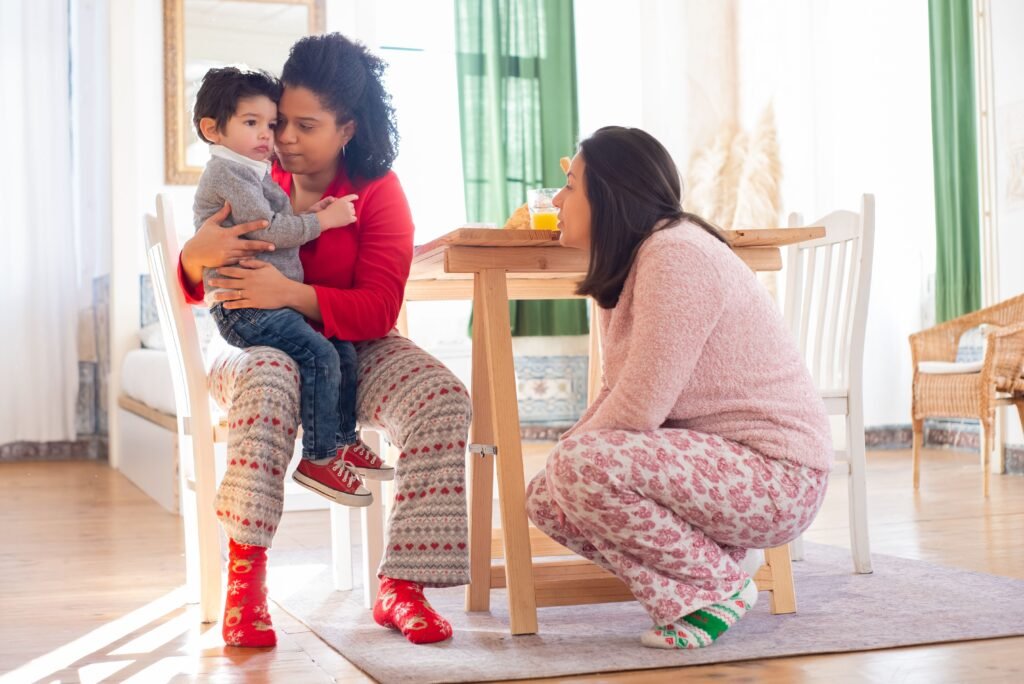
What Does It Mean for a Toddler to Feel Emotionally Safe?
Feeling emotionally safe means your toddler knows they are loved, accepted, and supported, even when they make mistakes or experience big emotions.
It doesn’t mean they never cry or have tantrums. Instead, it means they trust that you will comfort, guide, and love them through those moments.
1. They Come to You for Comfort
One of the clearest signs your toddler feels emotionally safe is that they naturally come to you when they are hurt, frightened, or upset.
Whether they scrape their knee, wake from a bad dream, or feel overwhelmed, they look to you for comfort because they trust you to help them feel safe again.
That trust is the foundation of emotional security.
2. They Freely Express Their Feelings
Toddlers who feel emotionally safe are usually comfortable showing how they feel.
They may:
- cry when they are sad
- laugh when they are excited
- tell you they are scared
- become frustrated when something is difficult
Children don’t need to hide their emotions when they know they will be accepted.
If your toddler is still learning how to communicate emotions, our article Helping Toddlers Express Their Feelings explains simple ways parents can support this important skill.
3. They Explore but Keep Checking Back
Emotionally secure toddlers are naturally curious.
They enjoy exploring new toys, meeting new people, or trying new activities, but they also like knowing you’re nearby.
You may notice your toddler playing independently before running back to show you something they found or simply checking that you’re still there.
This balance between independence and connection is a healthy sign of emotional security.
4. They Share What’s on Their Mind
Children who feel emotionally safe often want to tell you everything.
Sometimes, they become so excited that they forget you’re speaking.
Imagine you’re trying to explain why it’s important to put toys away before bedtime.
Before you finish your sentence, your toddler excitedly interrupts:
“Mom! Look what I built!”
or
“Dad! Guess what happened today!”
At first, it may seem like they aren’t listening.
In reality, moments like these can also show that your child feels comfortable sharing what’s on their mind without worrying about being judged.
As they grow, you can gently teach them to wait their turn while continuing to encourage open and honest communication.
5. They Ask for Help When They Need It
Toddlers who feel emotionally safe know they don’t have to solve every problem alone.
Instead of hiding their struggles, they come to you when they need help.
This may be with:
- opening a toy
- reaching something high
- solving a problem
- understanding a difficult feeling
Asking for help is a sign of trust, not weakness.
What About Toddler Crying?
Many parents worry when they experience frequent toddler crying.
The truth is that crying is one of the main ways toddlers communicate before they have the words to explain their feelings.
A toddler who feels emotionally safe may still cry when they are frustrated, tired, disappointed, or overwhelmed.
The difference is that they usually feel comfortable coming to you for comfort and reassurance.
If you’re wondering why your toddler cries so much, you may also enjoy reading Why Toddlers Cry So Much and How Parents Can Help, where we explain the common reasons behind toddler crying and practical ways parents can respond.
How Parents Can Help Toddlers Feel Emotionally Safe
Building emotional safety doesn’t require being a perfect parent.
Small, consistent actions make the biggest difference.
You can help by:
- listening without judging
- staying calm during difficult moments
- keeping routines predictable
- encouraging your toddler to talk about feelings
- reassuring them that they are loved, even after mistakes
These everyday moments build trust over time.
Conclusion
Every child develops differently, but these five signs can help you understand whether your toddler feels emotionally safe.
Explanation:
Emotionally safe toddlers are more likely to seek comfort, express their feelings, explore confidently, communicate openly, and ask for help when they need it.
Action:
- create a calm and loving environment
- listen carefully to your child’s feelings
- respond with patience instead of fear or anger
- encourage open communication every day
- remind your toddler that your love doesn’t depend on perfect behavior
Remember, emotional safety isn’t built in one conversation or one day. It grows through hundreds of small moments of love, patience, comfort, and connection. Every hug, every calm response, and every time you truly listen tells your child, “You are safe with me.” Those moments become the foundation for confidence, resilience, and healthy relationships that can last a lifetime.