
Teaching toddler empathy and compassion is one of the greatest gifts you can give your child. While toddlers are still learning to understand their own emotions, they can also begin learning how their actions affect others.
Empathy and compassion are not skills children are born with fully developed. They grow through everyday experiences, gentle guidance, and the examples they see from the adults around them.
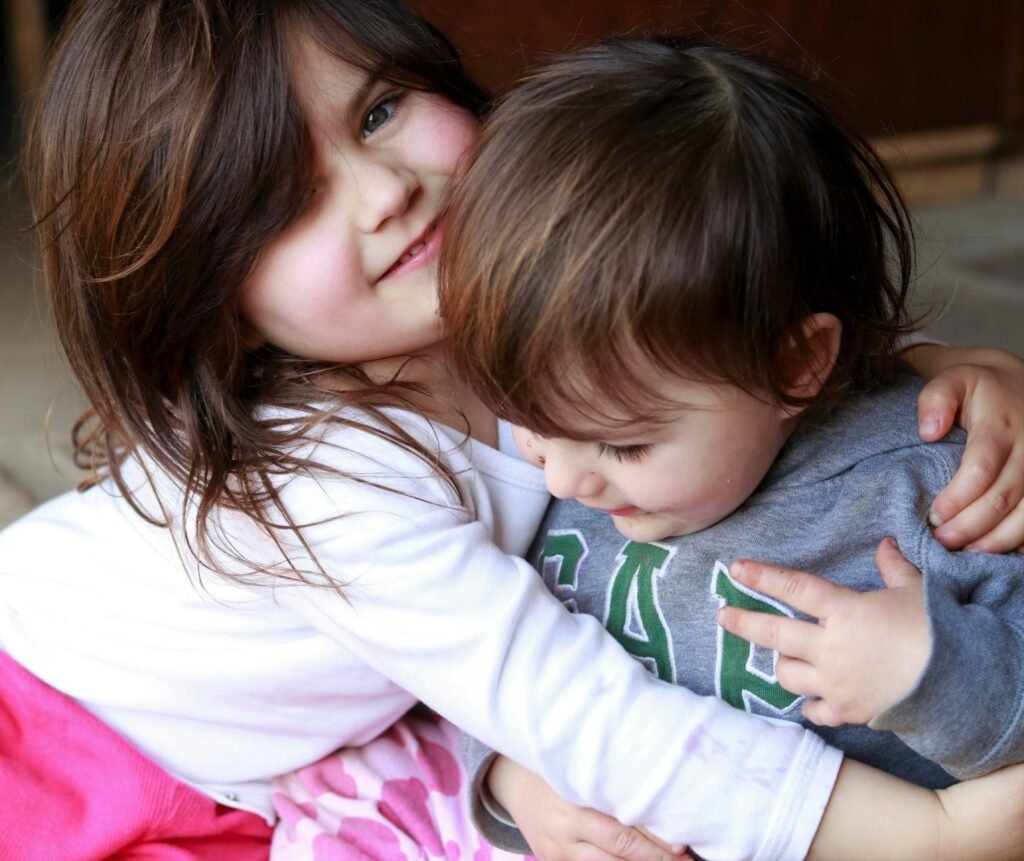
The good news is that you don’t need perfect parenting to raise a kind child. Small moments every day can have a lasting impact.
What Are Empathy and Compassion?
Empathy is the ability to understand how someone else feels.
Compassion goes one step further. It means understanding another person’s feelings and wanting to help or comfort them.
For example, if your toddler sees another child crying and says, “He’s sad,” they are beginning to develop empathy. If they then offer a toy or give the child a hug, they are showing compassion.
These skills take years to develop, but they begin in early childhood.
Why Teaching Toddler Empathy and Compassion Matters
Children who develop empathy and compassion often find it easier to:
- build healthy friendships
- solve conflicts peacefully
- share with others
- understand different feelings
- become kind and respectful adults
Teaching empathy is also closely connected to emotional development. As children learn to understand their own feelings, they become better at recognizing the feelings of others. You may also enjoy reading Why Emotional Development Is Important in Early Childhood, which explains why emotional skills are the foundation for healthy relationships.
1. Model the Behavior You Want to See
Toddlers learn more from what they see than from what they hear.
If they regularly see you being patient, polite, and compassionate, they are more likely to copy those behaviours.
Simple examples include:
- saying “thank you”
- apologising when you make a mistake
- helping someone who needs support
- speaking kindly to others
Your everyday actions become your child’s first lessons.
2. Help Your Toddler Name Feelings
Children cannot understand other people’s emotions until they begin recognising their own.
When your toddler is upset, try saying:
- “You look disappointed.”
- “You seem frustrated.”
- “That made you feel happy.”
Over time, they begin connecting words with emotions.
If your child is still learning this skill, our article Helping Toddlers Express Their Feelings shares simple ways to encourage emotional communication.
3. Talk About Other People’s Feelings
Everyday situations create great learning opportunities.
While reading a story, watching a cartoon, or playing together, ask simple questions like:
- “How do you think she feels?”
- “Why is he crying?”
- “What could we do to help?”
There are no perfect answers. The goal is simply to help your toddler start thinking about other people’s emotions.
4. Praise Kind Actions
When your toddler shows kindness, notice it.
Instead of saying only:
“Good job.”
Try saying:
“I noticed you shared your toy with your friend. That was very kind.”
Specific praise helps children understand exactly what behaviour you are encouraging.
5. Teach Through Everyday Moments
The best lessons often happen naturally.
Imagine your toddler is eating a snack when they notice their younger sibling looking at them.
Without being told, they offer one piece.
You might say:
“That was thoughtful. You noticed your brother wanted some, and you decided to share.”
Moments like these help children understand that kindness can make other people feel happy.
What If Your Toddler Isn’t Kind All the Time?
This is completely normal.
Toddlers are still learning to:
- control impulses
- share
- wait their turn
- understand other people’s feelings
There will be moments when they refuse to share or become frustrated.
Rather than labelling them as “unkind,” see these moments as opportunities to teach.
Learning empathy is a process, not a single lesson.
How Empathy Helps During Toddler Tantrums
When toddlers become overwhelmed, they often struggle to think about anyone else’s feelings.
During a tantrum, their priority is coping with their own big emotions.
This is why staying calm matters.
As your child gradually learns emotional regulation, they become more able to notice how their behaviour affects others.
If you’re working on emotional regulation at home, you may also enjoy reading How Toddlers Learn to Manage Their Emotions and 5 Signs Your Toddler Feels Emotionally Safe.
What Not to Do
Try to avoid:
- forcing your child to apologise before they understand why
- shaming them for making mistakes
- expecting adult-level empathy from a toddler
- comparing them to other children
Children learn empathy best through patience, encouragement, and repeated practice.
A Real-Life Example
Your toddler accidentally knocks over another child’s block tower.
The other child starts crying.
Instead of immediately saying,
“Say sorry!”
You kneel beside your toddler and calmly ask,
“Look at your friend. How do you think they feel?”
Your toddler quietly says,
“Sad.”
You continue,
“What could we do to help?”
Together, you help rebuild the tower.
In that moment, your child is learning something much bigger than an apology. They are learning to notice another person’s feelings and respond with kindness.
Conclusion
Teaching toddler empathy and compassion takes time, patience, and plenty of practice. Every conversation, every act of kindness, and every opportunity to talk about feelings helps your child build skills they will carry throughout life.
Explanation:
Empathy helps toddlers understand other people’s feelings, while compassion encourages them to respond with kindness and care. These skills grow little by little through everyday experiences and positive role modelling.
Action:
- model kindness every day
- help your toddler name emotions
- talk about how other people feel
- praise thoughtful behaviour
- be patient as empathy develops over time
Remember, raising a kind child isn’t about expecting perfect behaviour. It’s about creating a home where empathy, compassion, and respect are practised every day. Your calm guidance today is helping your toddler become a caring, confident, and compassionate person tomorrow.