
Helping toddlers express their feelings is an important part of emotional development. Many toddler behaviours that parents find challenging—such as crying, tantrums, hitting, or throwing things—often happen because young children do not yet have the words or skills to explain what they feel.

The good news is that expressing feelings is a skill toddlers can learn over time. With patience, guidance, and support, parents can help children understand and communicate their emotions in healthier ways.
Why Toddlers Struggle to Express Their Feelings
Toddlers experience emotions just like adults do.
They can feel:
- happy
- excited
- frustrated
- disappointed
- angry
- scared
- sad
The difference is that toddlers often do not have the language skills or emotional understanding to explain these feelings.
Instead of saying:
“I’m frustrated because my toy won’t work.”
a toddler may cry, scream, or throw the toy.
This does not mean they are being difficult. It means they are still learning.
Why Expressing Feelings Matters
When toddlers learn to express their feelings, they begin developing important emotional skills.
These skills can help them:
- communicate their needs
- solve problems more effectively
- build healthy relationships
- manage frustration
- develop emotional regulation
Helping children talk about emotions today can benefit them for years to come.
How Parents Can Help Toddlers Express Their Feelings
Name Emotions for Them
One of the simplest ways to help toddlers express their feelings is by putting emotions into words.
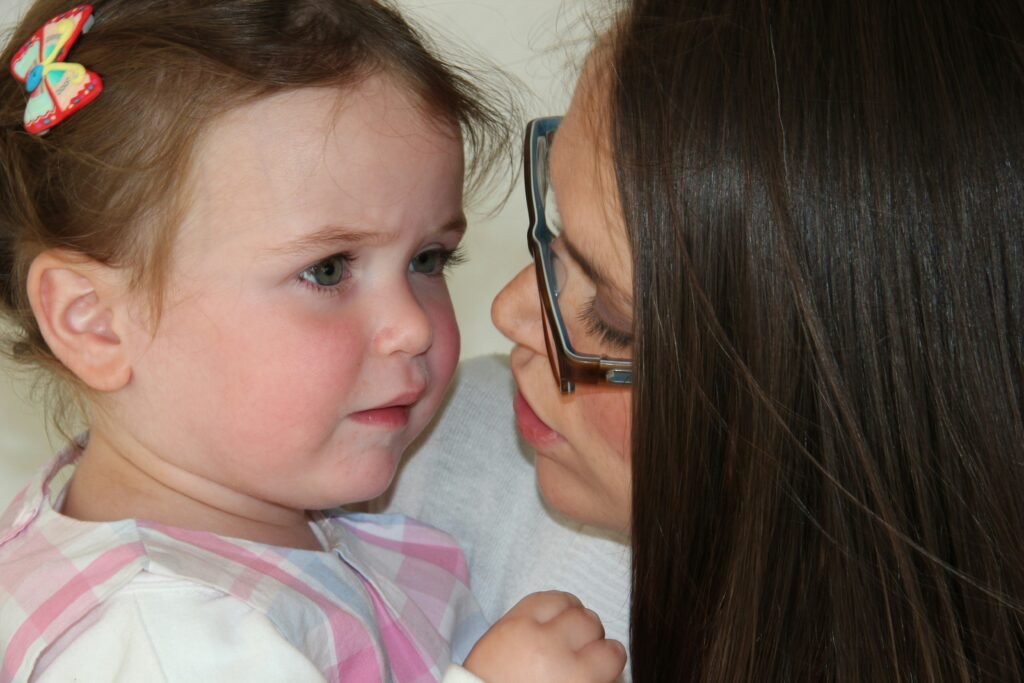
You might say:
- “You seem frustrated.”
- “You look disappointed.”
- “You feel sad because playtime ended.”
- “You seem excited.”
Over time, children begin learning the language of emotions.
Talk About Feelings Every Day
You do not need to wait for difficult moments.
Talk about emotions during everyday situations.
For example:
- “You look proud of your drawing.”
- “That made you happy.”
- “You were excited to see Grandma.”
The more children hear emotion words, the easier it becomes for them to use them.
Listen Before Solving
When toddlers are upset, parents often want to fix the problem quickly.
Sometimes children first need to feel understood.
Instead of immediately solving the problem, try:
- listening
- acknowledging feelings
- offering comfort
A child who feels understood is often easier to guide.
Encourage Words Instead of Actions
When emotions become big, toddlers may:
- hit
- scream
- throw things
- cry
Help them learn alternative ways to communicate.
You can say:
- “Use your words.”
- “Tell me what happened.”
- “Can you show me what upset you?”
Learning this skill takes time and practice.
A Real-Life Example
Imagine your toddler wants a toy that another child is using.
Instead of grabbing the toy, your child begins to cry.
You might say:
“You feel frustrated because you want a turn.”
Even if your toddler cannot repeat those words yet, they are learning to connect emotions with language.
Over time, this helps build emotional awareness.
What Not To Do
When toddlers struggle to express emotions, try to avoid:
- dismissing feelings
- saying “stop crying”
- mocking emotions
- expecting adult-level emotional control
Comments like:
“There’s nothing to cry about.”
can make children feel misunderstood.
Instead, acknowledge the feeling while helping them learn healthier ways to express it.
Helping Toddlers During Tantrums
Big emotions often show up during tantrums.
When your toddler is overwhelmed:
- stay calm
- keep them safe
- acknowledge feelings
- wait until they are calmer before teaching
Children learn best when they feel safe and connected.
If tantrums are a challenge, you may also find these articles helpful:
- How Toddlers Learn to Manage Their Emotions
- How to Help Your Toddler Regulate Their Emotions
- What Causes Toddler Tantrums
- When Toddler Tantrums Aren’t Normal
- Why Toddlers Cry So Much and How Parents Can Help
Emotional Growth Takes Time
Learning to express feelings is a gradual process.
Toddlers will not always find the right words.
There will be tears, frustration, and emotional moments along the way.
That is normal.
Each time you help your child understand and name a feeling, you are building an important life skill.
Conclusion
Helping toddlers express their feelings is not about stopping emotions. It is about teaching children how to understand, communicate, and manage what they feel in healthy ways.
Explanation:
Toddlers often struggle to express emotions because they are still developing language and emotional awareness. With guidance and practice, they can learn healthier ways to communicate their feelings.
Action:
- name emotions regularly
- talk about feelings every day
- listen before solving problems
- encourage words instead of actions
- be patient with the learning process
Remember, emotional growth takes time. Every conversation, every moment of understanding, and every calm response helps your child build the confidence to express their feelings in healthier ways .