
Big emotions can be difficult for toddlers — and just as overwhelming for parents. If you’ve been wondering how to help your toddler regulate their emotions, you are not alone.
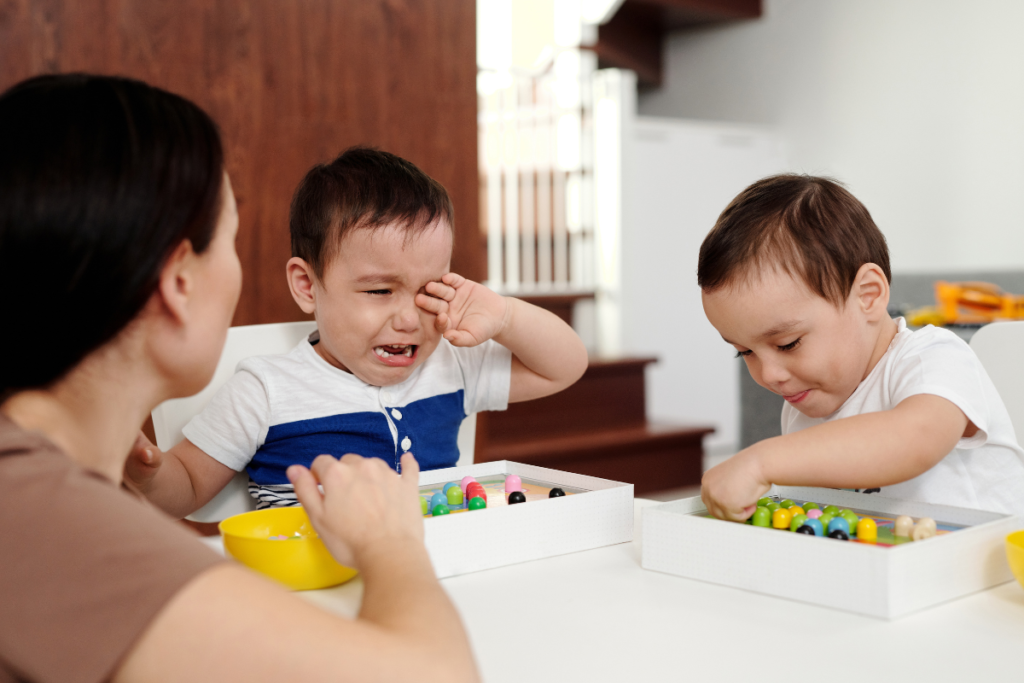
Many toddlers cry, scream, hit, throw things, or have tantrums because they are still learning how to handle what they feel inside.
The good news is that emotional regulation is something children learn over time, especially with calm guidance and support from the adults around them.
What Does Emotional Regulation Mean?
Emotional regulation simply means learning how to:
- understand feelings
- calm down
- express emotions in a healthier way
Toddlers are still developing these skills.
They often feel emotions strongly but do not yet know:
- how to explain them
- how to calm themselves
- what to do with frustration or disappointment
That is why emotional outbursts are common at this age.
Stay Calm During Big Emotions
One of the best ways to help your toddler regulate their emotions is by staying calm yourself.
This is not always easy, especially during difficult moments. But toddlers learn a lot from the way adults respond.
When your child is overwhelmed:
- lower your voice
- stay close
- speak gently
- avoid reacting with anger
Your calmness helps your child feel safe.
If your toddler often struggles with emotional outbursts, you may also find it helpful to read what causes toddler tantrums.
Help Your Toddler Name Their Feelings
Toddlers cannot always explain what they feel.
You can help by putting feelings into words.
Try saying:
- “You’re feeling angry.”
- “You’re upset because playtime ended.”
- “That made you frustrated.”
This teaches your child that emotions are normal and helps them build emotional awareness.
Create Safe Ways To Express Emotions
Toddlers need guidance on what they can do instead of:
- hitting
- throwing things
- screaming
You can teach safer ways to cope, such as:
- taking deep breaths together
- asking for help
- hugging a pillow
- using words like “I’m upset”
Learning these skills takes time and repetition.
If your child struggles with physical reactions during tantrums, you can also read what to do when a toddler throws things during tantrums.
Keep Routines Predictable
Toddlers feel more secure when life feels predictable.
Simple routines can help reduce emotional overwhelm.
Try to keep:
- meal times consistent
- sleep schedules steady
- transitions calm and clear
A tired or overstimulated toddler may struggle more with emotional control.
Teach Through Connection, Not Fear
Children learn emotional regulation best through connection.
This means:
- listening
- comforting
- guiding calmly
Discipline based only on fear or shouting can increase frustration instead of teaching emotional skills.
Before reacting, remind yourself that your child is still learning and that understanding can help you stay calm in the moment.
If you’d like more guidance on calm discipline, you can also read how to discipline a toddler effectively.
A Real-Life Example
Your toddler starts crying because they cannot open a snack packet.
Instead of saying:
“Stop crying.”
You kneel down and say:
“You’re frustrated because you need help.”
You help them calm down first, then assist them.
Over time, your child learns:
- feelings are okay
- calm support is available
- there are better ways to respond than screaming or hitting
What Not To Do
Some responses can make emotional situations harder for toddlers.
Try to avoid:
- shouting
- mocking feelings
- saying “big boys/girls don’t cry”
- punishing emotions instead of behavior
These reactions may teach children to hide feelings instead of understanding them.
Emotional Regulation Takes Time
Toddlers are not expected to manage emotions perfectly.
Learning emotional regulation is a gradual process that happens through:
- support
- repetition
- patience
- connection
Even small moments of calm guidance make a difference.
Conclusion
Learning how to help your toddler regulate their emotions is not about stopping feelings. It is about helping your child understand emotions and respond to them in healthier ways over time.
Explanation:
Toddlers experience big emotions but are still learning how to manage them. Calm guidance, connection, and emotional support help children develop emotional regulation skills.
Action:
- stay calm during emotional moments
- help your child name feelings
- teach safe ways to express emotions
- keep routines consistent
- guide with patience and connection
Your child will not learn emotional regulation overnight, and that’s okay. What matters most is showing up with patience, calmness, and support. Small moments of connection today help build emotional skills for the future 💛