
When a toddler throws things during tantrums, it can feel just as overwhelming as hitting.
One moment your child is upset, and the next they are throwing toys, cups, or anything within reach. It can feel frustrating, confusing, and even a little alarming.
If you’re wondering what to do when a toddler throws things during tantrums, you’re not alone. Many parents go through this stage.
The good news is that this behavior has meaning — and with the right response, you can guide your child through it calmly and safely.
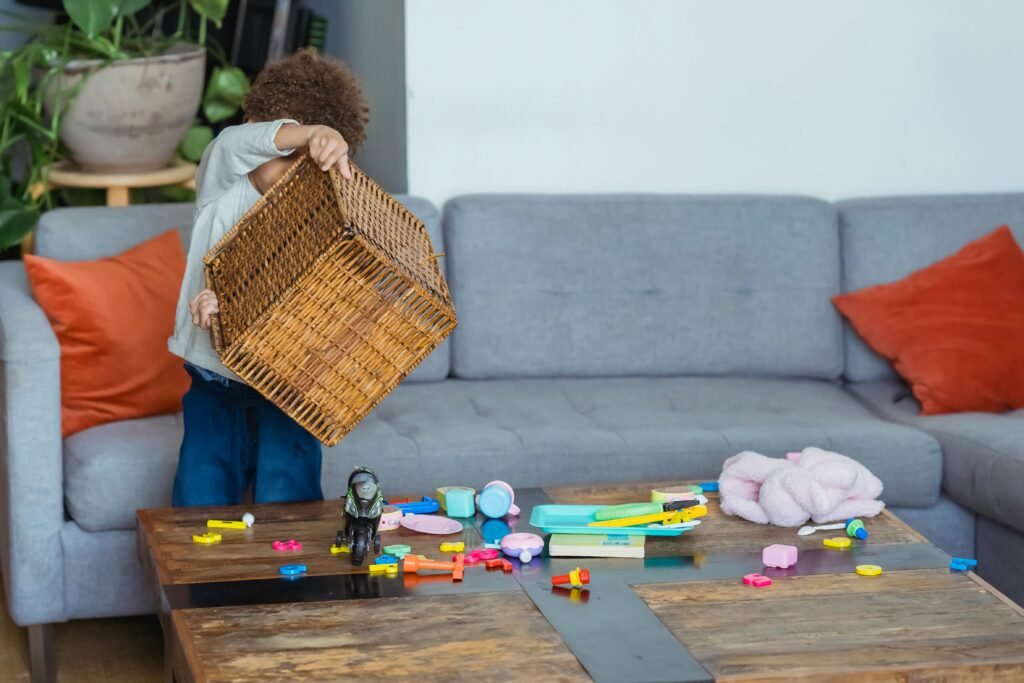
Why Do Toddlers Throw Things During Tantrums?
Before focusing on what to do, it helps to understand why it happens.
Toddlers throw things because they are overwhelmed by big emotions. They may feel:
- angry
- frustrated
- tired
- unable to communicate
Throwing becomes a quick way to release those feelings.
It’s not about being “bad.”
It’s about not yet knowing how to handle emotions.
If you’d like to understand the deeper reasons behind these behaviors, you can also read what causes toddler tantrums.
When a toddler throws things during tantrums
When your toddler starts throwing things, your response matters.
This is your chance to stay calm and guide the situation.
You can:
- stay calm and take a breath before reacting
- move closer to your child
- gently stop them if needed
- use simple words like:
“I won’t let you throw”
“Throwing can hurt someone”
Keep your voice calm and steady. Your child learns from how you respond.
Set Clear and Gentle Boundaries
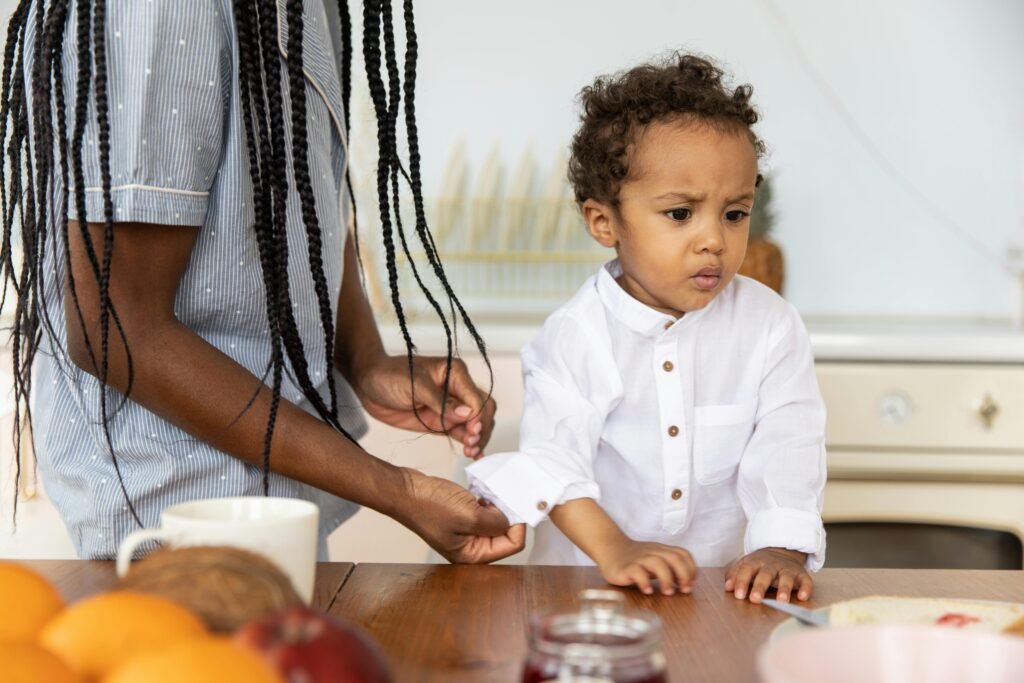
Being calm does not mean allowing the behavior.
Your toddler needs to learn limits in a safe way.
You can:
- remove objects that can be thrown
- hold their hands gently if needed
- repeat your boundary calmly
Example:
“I won’t let you throw toys. That’s not safe.”
Consistency helps your child understand what is okay and what is not.
Help Your Toddler Express Emotions Safely
Your child is not trying to upset you — they are trying to express something.
You can guide them by:
- naming the feeling: “You’re angry”
- offering alternatives:
- “You can stomp your feet”
- “You can say help”
Over time, this teaches your child better ways to cope.
What Not To Do
Some reactions can make the situation worse.
Try to avoid:
- shouting or yelling
- hitting or punishing physically
- long explanations during the tantrum
- ignoring unsafe behavior
These responses often increase frustration instead of teaching and can affect how your child learns to manage emotions.
After the Tantrum: Teach and Guide
Once your child is calm, this is the best time to teach.
You can:
- talk about what happened
- explain simply why throwing is not okay
- show what to do next time
Example:
“Next time you feel upset, you can call me or use your words.”
Keep it short and gentle.
A Real-Life Example
Your toddler throws a cup because they don’t want to drink milk.
Instead of reacting quickly, you:
- take a breath
- move closer
- say: “You’re upset. I won’t let you throw the cup.”
You remove the cup and stay calm.
Later, when they are calm, you say:
“Next time, you can say no or give it back.”
This small moment becomes a learning opportunity.
When Should You Be Concerned?
Throwing things during tantrums is common in toddlers.
But you may want to pay closer attention if:
- your child throws objects very often
- they try to hurt others regularly
- the behavior feels extreme or constant
If you’re unsure, it’s okay to ask for support.
Conclusion
Toddler tantrums can be challenging, especially when throwing is involved. But this behavior is part of how children express emotions they don’t yet understand.
Knowing what to do when a toddler throws things during tantrums can help you respond with calm, set clear boundaries, and guide your child toward better ways of expressing themselves.
Explanation:
Throwing during tantrums is often a sign of frustration, overwhelm, or limited communication. With calm responses and consistent guidance, children can learn safer ways to express emotions.
Action:
- stay calm and respond gently
- set clear and consistent boundaries
- remove unsafe objects
- teach simple ways to express feelings
- guide your child after the tantrum
If this article helped you, consider sharing it with another parent who may need support. You’re not alone in this, and with time and patience, this phase will pass. 💛