
It can feel confusing and even worrying when a toddler cries for no reason all of a sudden, and you can’t figure out why.
If you’ve ever asked yourself what to do when a toddler cries for no reason, you’re not alone. Many parents go through this stage and wonder if something is wrong.
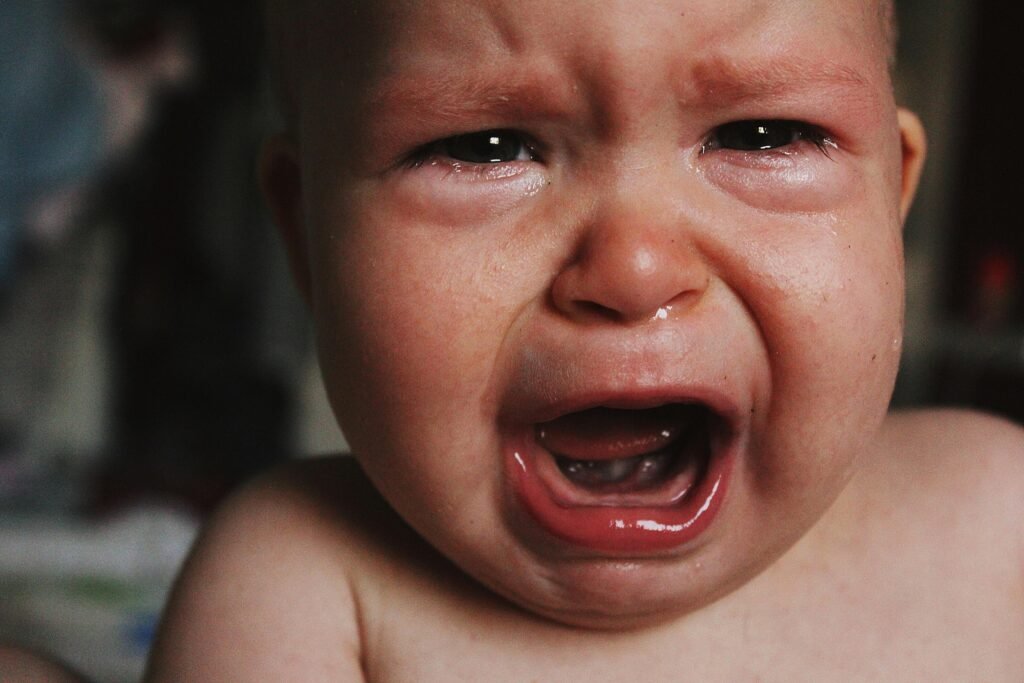
The truth is, toddlers don’t cry “for no reason.” There is usually something behind it — even if it’s not obvious at first.
Why Toddlers Cry “for No Reason”
What looks like “no reason” is often a reason your toddler can’t explain.
Toddlers are still learning how to:
- understand their feelings
- express themselves with words
- manage emotions
So crying becomes their way of communicating.
Common hidden reasons include:
- feeling tired
- hunger
- frustration
- needing comfort
- being overwhelmed
Understanding this can help you respond with more patience and calm.
What To Do in the Moment
When your toddler starts crying, your response matters.
Instead of trying to stop the crying immediately, focus on helping your child feel safe.
You can:
- stay calm and take a breath
- move closer to your child
- speak gently: “I’m here”
- hold or comfort them if they allow it
Your calm presence helps your child settle, even when they don’t understand their own feelings.
Look for Possible Triggers
Even if the reason isn’t clear, you can gently check what might be causing it.
Ask yourself:
- Are they tired?
- Are they hungry?
- Has their routine changed?
- Are they overstimulated?
Sometimes small things can feel big to a toddler.
If you want to understand emotional triggers more deeply, you can also read what causes toddler tantrums.
Help Your Toddler Express Feelings
Your child may not have the words yet, but you can help them learn because this is part of learning for them.
Try:
- naming emotions: “You’re upset”
- keeping words simple
- showing understanding
Over time, your child learns to express feelings instead of only crying.
What Not To Do
It’s easy to feel frustrated when you don’t understand why your child is crying.
Try to avoid:
- shouting or raising your voice
- dismissing their feelings
- saying “stop crying”
- ignoring them completely
These responses can make your child feel misunderstood and more upset.
After the Crying Stops
When your toddler calms down, that’s when learning happens.
You can:
- gently talk about what happened
- help them connect feelings to words
- reassure them
Example:
“You’re feeling upset. I am here to help you.”
Keep it simple and supportive. This is your child, and all they need in that moment is you.
A Real-Life Example
Your toddler starts crying while playing, and nothing seems wrong.
Instead of reacting quickly, you:
- sit next to them
- speak calmly
- offer comfort
After a few minutes, they settle.
Later, you realize they were tired.
This shows that not all reasons are obvious, but your response still makes a difference.
When Should You Be Concerned?
Most crying is normal.
But you may want to look closer if:
- your child cries very often without settling
- they seem in pain
- the crying feels unusual or extreme
If you feel unsure, it’s okay to seek support.
Conclusion
It can be difficult when your child cries and you don’t understand why. But in most cases, there is a reason — even if it’s not clear at the moment.
Knowing what to do when a toddler cries for no reason helps you respond with calm, patience, and understanding.
Explanation:
Toddlers cry as a way to communicate emotions they don’t yet understand or express. What looks like “no reason” is often a hidden need or feeling.
Action:
- stay calm and present
- look for simple triggers like hunger or tiredness
- comfort your child
- help them learn words for their feelings
- remind yourself this stage is temporary
If this article helped you, consider sharing it with another parent who may need assurance. You’re doing your best, and that matters more than perfection.