
Why do toddlers cry so much and how parents can help? If you are raising a toddler, you have probably asked yourself this question more than once.
One moment your child seems happy, and the next they are crying because a toy broke, a snack was cut the wrong way, or something simply did not go as expected.
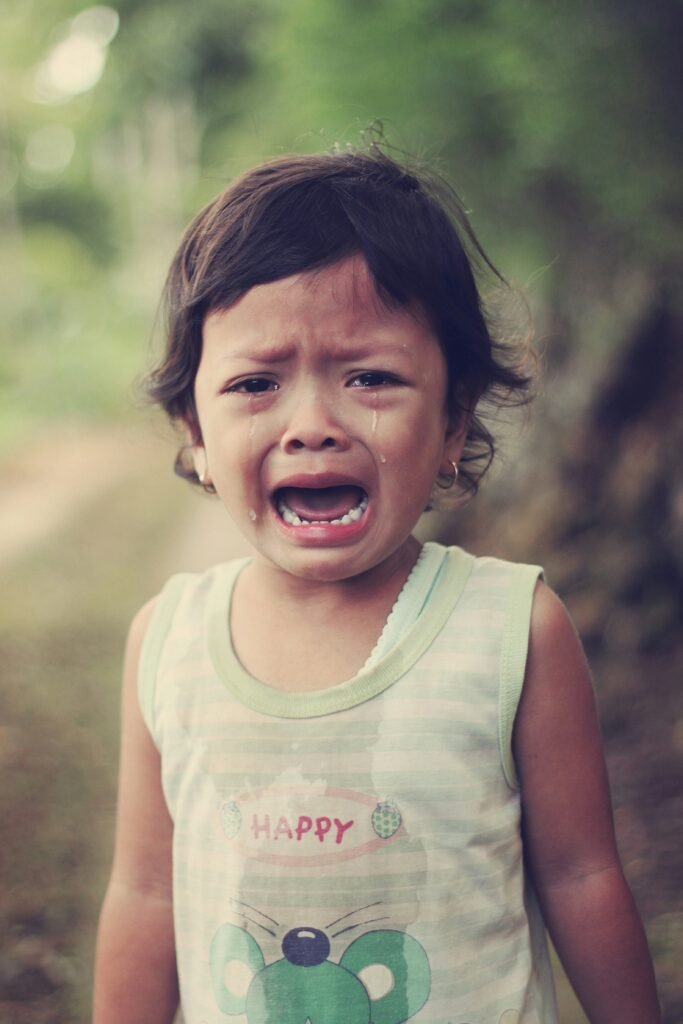
For parents, frequent crying can feel exhausting and confusing.
The truth is, toddlers cry because they are still learning how to communicate, understand emotions, and respond to challenges around them. Crying is a normal part of toddler development, and how you respond can help support your child’s emotional growth
The good news is that understanding why toddlers cry can help parents respond with more confidence and support.
Why Toddlers Cry So Much and how parents can help
Toddlers experience big feelings but do not yet have big emotional skills.
Young children are still learning:
- how to express emotions
- how to communicate needs
- how to manage frustration
- how to calm themselves
Because of this, crying becomes one of the main ways toddlers communicate.
Common reasons toddlers cry include:
- tiredness
- hunger
- frustration
- feeling overwhelmed
- overstimulation
- needing comfort or connection
- difficulty expressing feelings
Sometimes the reason feels obvious.
Other times, it may feel like your toddler is crying for no reason at all.
If that sounds familiar, you can also read What to Do When a Toddler Cries for No Reason.
Big Emotions Can Lead to More Crying
Toddlers feel emotions strongly.
Things adults may see as small problems can feel very big to young children.
Examples include:
- ending playtime
- hearing “no”
- waiting for something
- struggling to do something independently
- changing routines
Your child is not trying to make life difficult.
They are learning emotional skills.
If emotional outbursts happen often, you can also explore How to Help Your Toddler Regulate Their Emotions.
Toddler Tantrums and Crying Often Go Together
Toddlers often cry during tantrums because emotions feel too big to manage.
But not every tantrum includes crying.
Some toddlers:
- scream
- throw things
- hit
- refuse to cooperate
- become physically frustrated
Others cry heavily.
Every child responds differently.
If tantrums happen mostly around bedtime or overnight, you may also find it helpful to read Toddler Tantrums at Night: Causes and Solutions.
You can also explore:
These articles go deeper into emotional triggers and practical support. Crying may not be the only response toddlers show, but it is often one of the most common ways they communicate emotions and needs.
How Parents Can Help
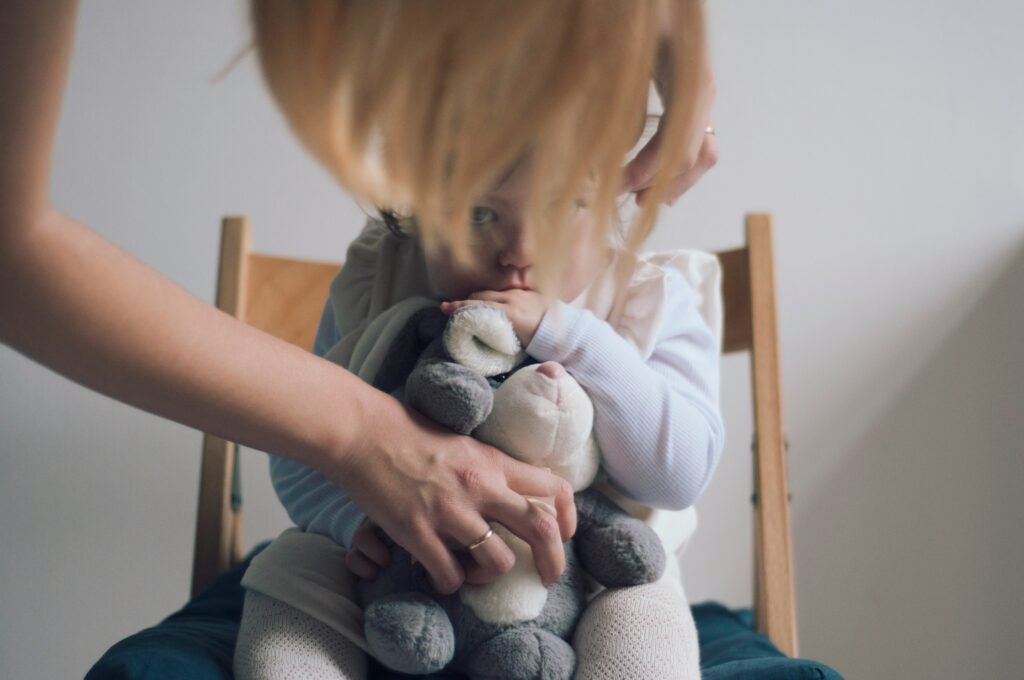
When toddlers cry often, parents naturally want to make things better.
Your child does not need perfect parenting.
They need support, connection, and guidance.
Here are practical ways parents can help.
Stay Calm
Before reacting, remind yourself that your child is still learning.
Your calm response helps your child feel safe.
Children borrow emotional regulation from parents before learning it themselves.
Help Name Feelings
Toddlers often feel emotions they cannot explain.
You can help by saying:
- “You seem frustrated.”
- “You feel upset right now.”
- “That was disappointing.”
Naming emotions builds emotional understanding over time.
Check Basic Needs
Sometimes crying increases because toddlers need:
- sleep
- food
- quiet time
- comfort
- connection
Simple needs can create big emotions.
Keep Routines Predictable
Toddlers often feel safer when life feels predictable.
Consistent:
- sleep routines
- meal routines
- quiet time
can help reduce emotional overwhelm.
What Not To Do
Frequent crying can feel frustrating.
Try to avoid:
- shouting
- mocking emotions
- saying “stop crying”
- punishing feelings
The goal is not only to stop crying.
The goal is to teach emotional skills while helping your child feel safe and supported.
A Real-Life Example
Your toddler starts crying because they wanted the blue cup instead of the green one.
To adults, this may seem small.
To toddlers, disappointment can feel very big.
Instead of reacting quickly, you:
- stay calm
- acknowledge feelings
- offer support
These moments slowly teach emotional skills.
When Should Parents Pay Closer Attention?
Frequent crying is often normal.
But you may want extra support if:
- crying feels extreme or unusual
- your child struggles to settle most of the time
- emotional distress feels constant
Trust your instincts if something feels different.
Conclusion
Why do toddlers cry so much and how can parents help? In most cases, crying is part of how toddlers communicate emotions while learning important life skills.
Explanation:
Toddlers cry because emotional regulation, communication skills, and coping abilities are still developing.
Action:
- stay calm during emotional moments
- help your child name feelings
- check basic needs like sleep and hunger
- support emotional learning
- remember emotional growth takes time
Parenting through frequent crying can feel exhausting sometimes. But your patience, guidance, and support matter more than perfection. Little by little, your child is learning through your calm presence and connection